Brain fog: Why your head sometimes feels “foggy” and what you can do about it
You reread a sentence because halfway through you lost track of what it said. You walk to the kitchen and don’t remember why. Or a name is on the tip of your tongue but just won’t come to you.
Many people recognize this feeling. We often call it brain fog: the sense that you’re less sharp, can’t focus as well, or become mentally exhausted more quickly.
What is brain fog?
Brain fog is not an official diagnosis, but an umbrella term for mental slowness, concentration problems, forgetfulness, and mental fatigue.1
Important to understand: brain fog is a symptom, not a disease. It tells you that something is going on in your body or lifestyle.
In science, brain fog is seen as a mix of cognitive symptoms (such as memory and focus), emotional factors, and fatigue. The term is not used the same way everywhere yet, which also explains why it can sometimes be difficult to measure. 1
In longevity, it’s not just about living longer, but also about staying clear-minded and functioning independently. That’s exactly why brain fog is relevant.
What causes brain fog?
The cause of brain fog is usually not just one thing. Often it’s a combination of factors.
Common causes include:
· Poor or irregular sleep
· Chronic stress or mental strain
· Low mood or anxiety
· Hormonal changes (such as during menopause)
· Recovery after illness, for example long COVID
What makes this complex: how you feel doesn’t always exactly match what tests measure. You can feel mentally slow while cognitive tests show few abnormalities. Fatigue, mood, and attention play a big role in this. 2-3

What helps against brain fog?
Good news: the basics are often simple. No quick fixes, but habits you can build.
1. Sleep: quality over quantity
Sleep is the most important factor. Even a few nights of poor sleep can noticeably affect your memory and focus.
Research shows that both sleep duration and sleep quality are linked to cognitive performance.4 That’s why “quality > quantity” is a good starting point.
Think of:
- Regular bedtimes
- Enough daylight in the morning
- A dark, quiet bedroom
- Not going to bed later and later “just to keep working a bit more”
2. Movement: small effect, big difference in the long run
Movement sounds simple, but it does work.
Large studies show that people who move more score better on cognitive function on average. The effect isn’t spectacular, but it is consistent.5
For a longevity lifestyle, that’s exactly what counts: small benefits that add up.
Practical:
- Walking daily
- Strength training twice a week
3. Nutrition: a pattern, not a trick
There is no magical “brain food.”
What does work is an eating pattern that resembles the Mediterranean diet:
- Plenty of vegetables and fruit
- Legumes and nuts
- Olive oil and fish
- Enough protein
This kind of diet is associated with healthier aging and better cognitive function.6 It’s not a quick fix, but it is a solid foundation.
When should you be alert?
Sometimes brain fog is more than just fatigue.
Take symptoms seriously if:
- The confusion comes on suddenly
- You have trouble speaking or orienting yourself
- There is weakness or disorientation
Even if symptoms persist longer and affect your daily functioning, it’s wise to consult a doctor. 7
And what about supplements?
Supplements can play a role, but usually as a supportive factor.
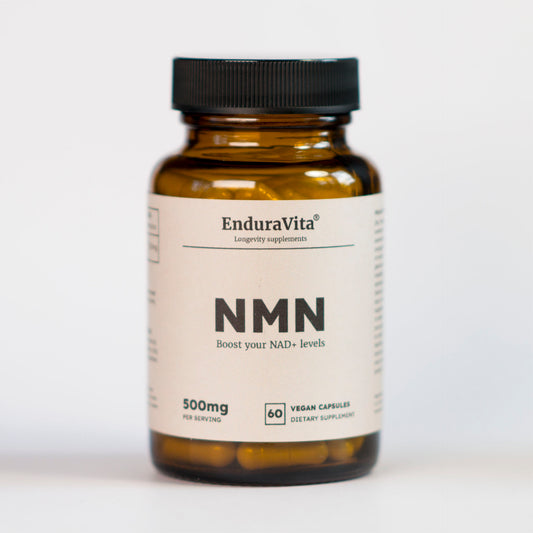
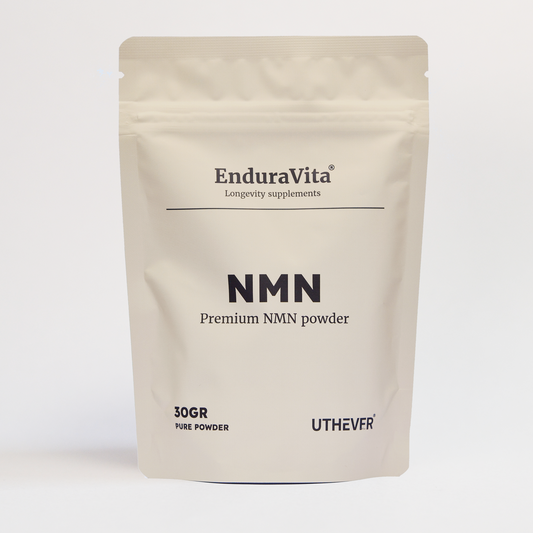
- NR and NMN increase NAD⁺ levels in the body, a molecule involved in cellular energy metabolism. Researchers are currently looking at what role this may play in aging and brain health. 8
- Resveratrol is increasingly showing promising effects, with early human studies giving positive signals for cognitive support.
- Magnesium L-threonate is a form of magnesium that reaches the brain well and may support memory, concentration, and mental clarity.
See this as a supplement to a healthy lifestyle, with sleep, movement, nutrition, and recovery as the main pillars.
Conclusion
Brain fog is not a disease, but a signal of imbalance in your body and brain. The cause is usually a combination of factors, such as sleep, stress, and lifestyle.
The solution therefore lies in the basics: sleeping better, exercising regularly, and eating nutritious food. No quick fix, but an approach that works in the long term.
Sources
- https://www.sciencedirect.com/science/article/pii/S0166223625000177
- https://www.cambridge.org/core/journals/journal-of-the-international-neuropsychological-society/article/subjective-versus-objective-cognition-during-menopause-a-systematic-review-and-metaanalysis/E9889C5BBD621547C0EB25996EBDAFBD
- https://www.sciencedirect.com/science/article/abs/pii/S0165032721010752
- https://www.sciencedirect.com/science/article/pii/S0149763424003981
- https://jamanetwork.com/journals/jamanetworkopen/fullarticle/2814503
- https://link.springer.com/article/10.1007/s11357-024-01488-3
- https://www.nhs.uk/symptoms/confusion/
- https://www.nature.com/articles/s42255-025-01421-8